
Architectural designer, researcher, and founder of [SR] Design Lab.
Designing the Future of Architecture
Emerging from Zaha Hadid Architects and Harrods, London — Sobitha brings rigorous intellectual depth to practice. She holds a PhD in Architecture and leads a California-based studio built around AI-native workflows.
Read MorePRACTICE
[SR] Design Lab
A design consultancy organized to integrate AI into the core of architectural practice.

AI-Native Workflows
Translating ambitious ideas into feasible outcomes at exceptional speed.

AI & Research
Advancing the discourse on artificial intelligence and its impact on architectural design.
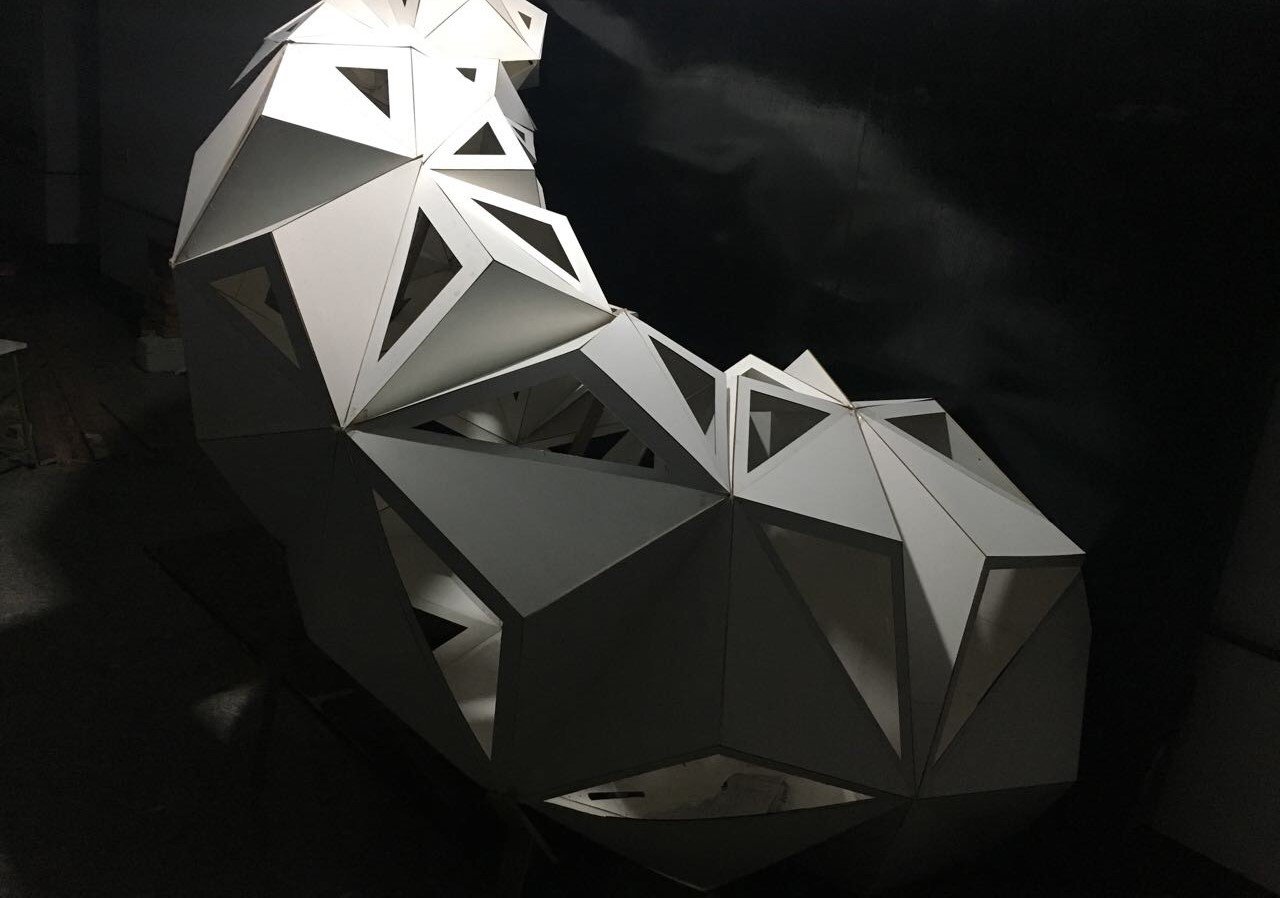
Teaching & Workshops
Shaping the next generation of designers through academic engagement and public lectures.
BACKGROUND
Forged at the Frontier
Sobitha is an architect and design leader with expertise in high-end design, computational research, and client-side delivery across global markets.
She holds a PhD in Architecture with published research on AI, workplace optimization, and advanced computational methods. She spent a decade at Zaha Hadid Architects leading computational design initiatives and delivering landmark projects across retail, residential, cultural, and mixed-use sectors, while driving in-house research through ZAHA-CODE and the Agent-based Parametric Semiology group.
In parallel, she's taught and lectured at the Architectural Association's Design Research Lab (AADRL), served as a visiting critic across the UK, Europe, and Asia, and now lectures at San José State University while mentoring the AEC global teamwork project at Stanford.
RESEARCH
A PhD at the Intersection of AI & Space
Sobitha's doctoral research investigates how artificial intelligence reshapes architectural thinking — from generative form-finding to intelligent spatial reasoning. Her work bridges academic rigor and real-world practice, producing insights that are both theoretically grounded and immediately applicable.
Research Focus Areas
Generative Design
Computational form-finding and algorithmic exploration
AI Decision-Making
Intelligent spatial planning and reasoning systems
Agent-Based Simulation
Simulating behaviour to evaluate designs against performance criteria
Human-AI Collaboration
Design workflows integrating human creativity with AI capabilities
DISCOURSE
A Leading Voice on AI in Architecture
Sobitha is recognized as a leading thinker on AI's transformative role in architecture. She contributes through academic teaching, peer-reviewed research, and public lectures worldwide.
Her voice shapes contemporary design discourse — challenging assumptions and opening new frontiers for the profession.
TEACHING
Workshops & Academic Engagement
Through hands-on workshops and studio teaching, Sobitha transfers cutting-edge knowledge directly to the next generation of architectural designers.
Studio Teaching
Embedding AI thinking into foundational design education.
Public Lectures
Engaging broad audiences on the future of design and intelligence.
Workshops
Practical, intensive sessions bridging theory and digital practice.
PRESS
Exhibitions
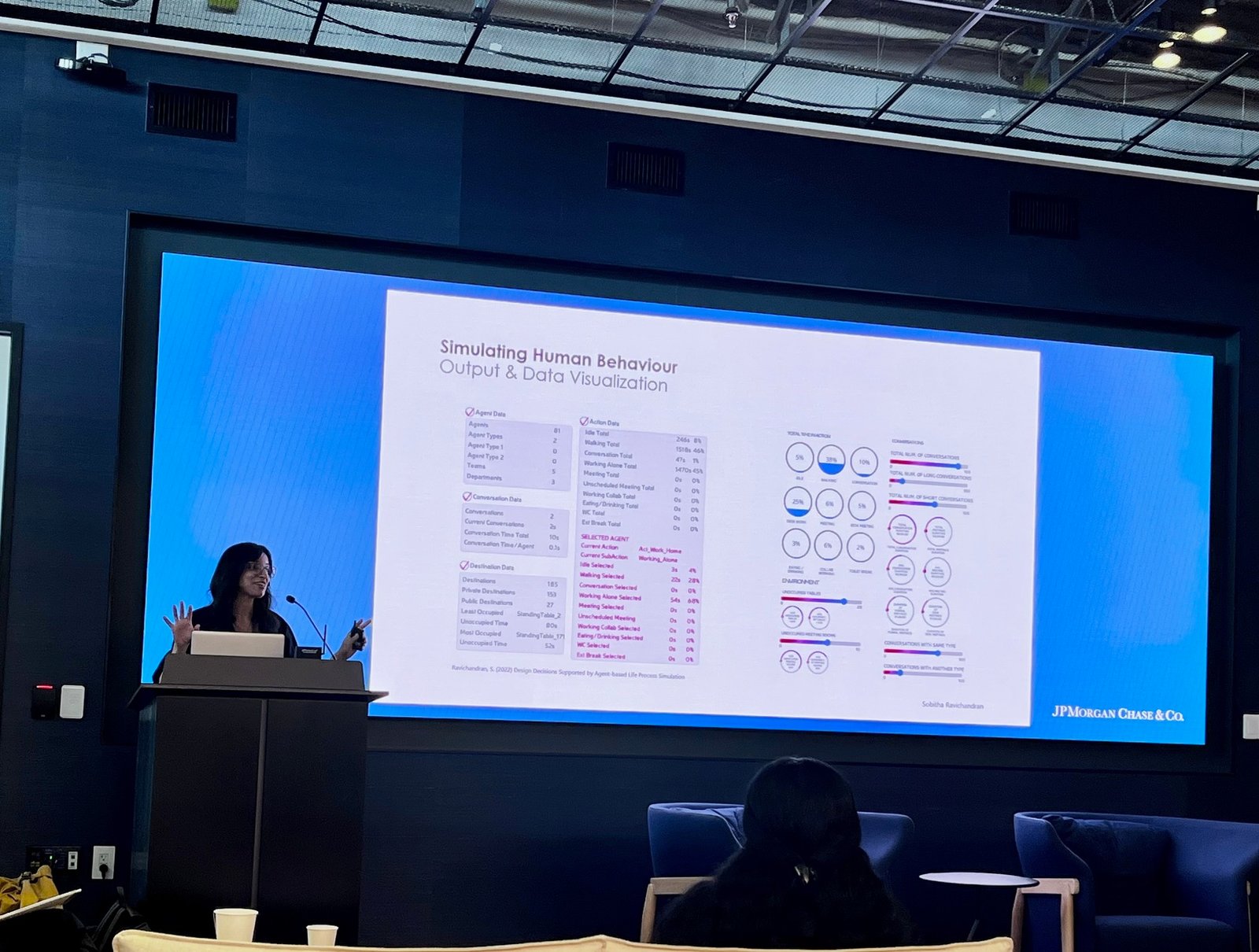
Design Horizons: Architecture, AI and User Journeys of the Future, JP Morgan, San Francisco, 2026
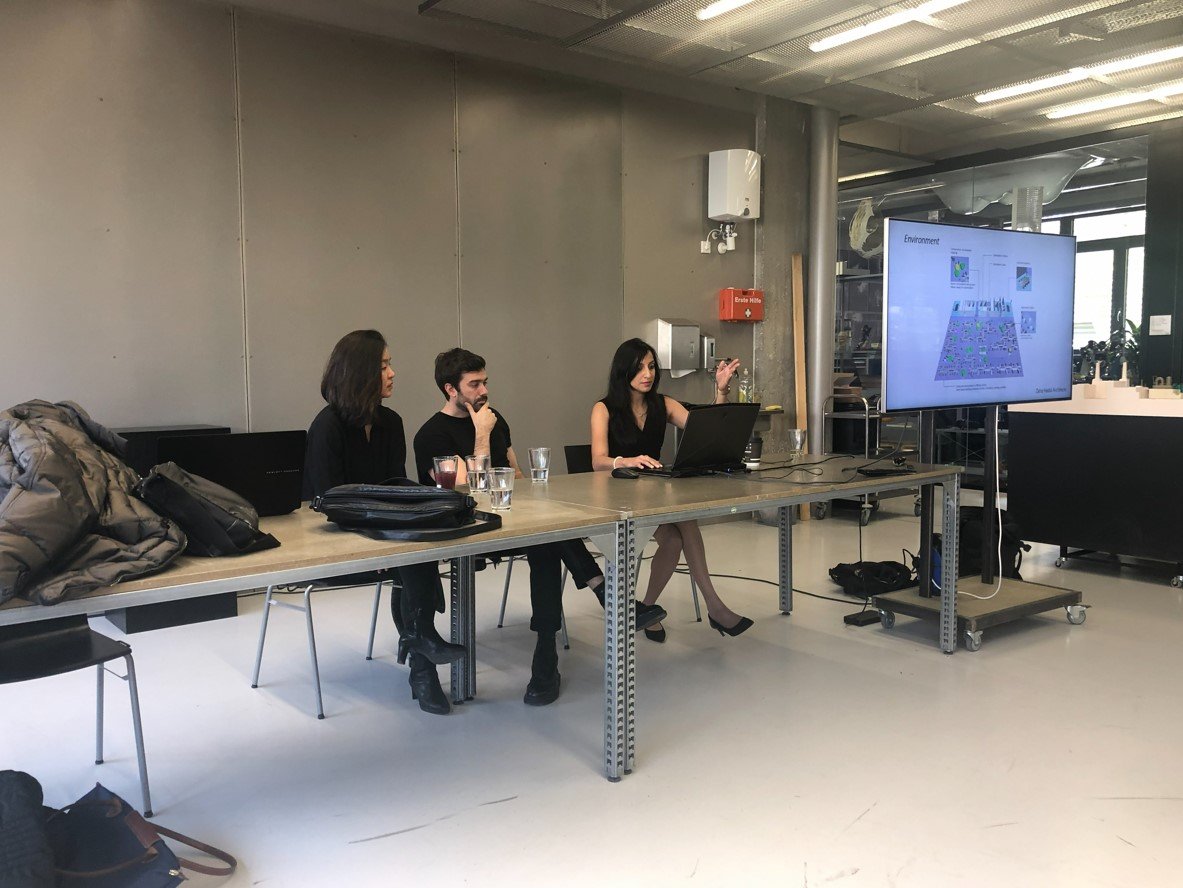
ABPS Research Symposium, Vienna, 2019
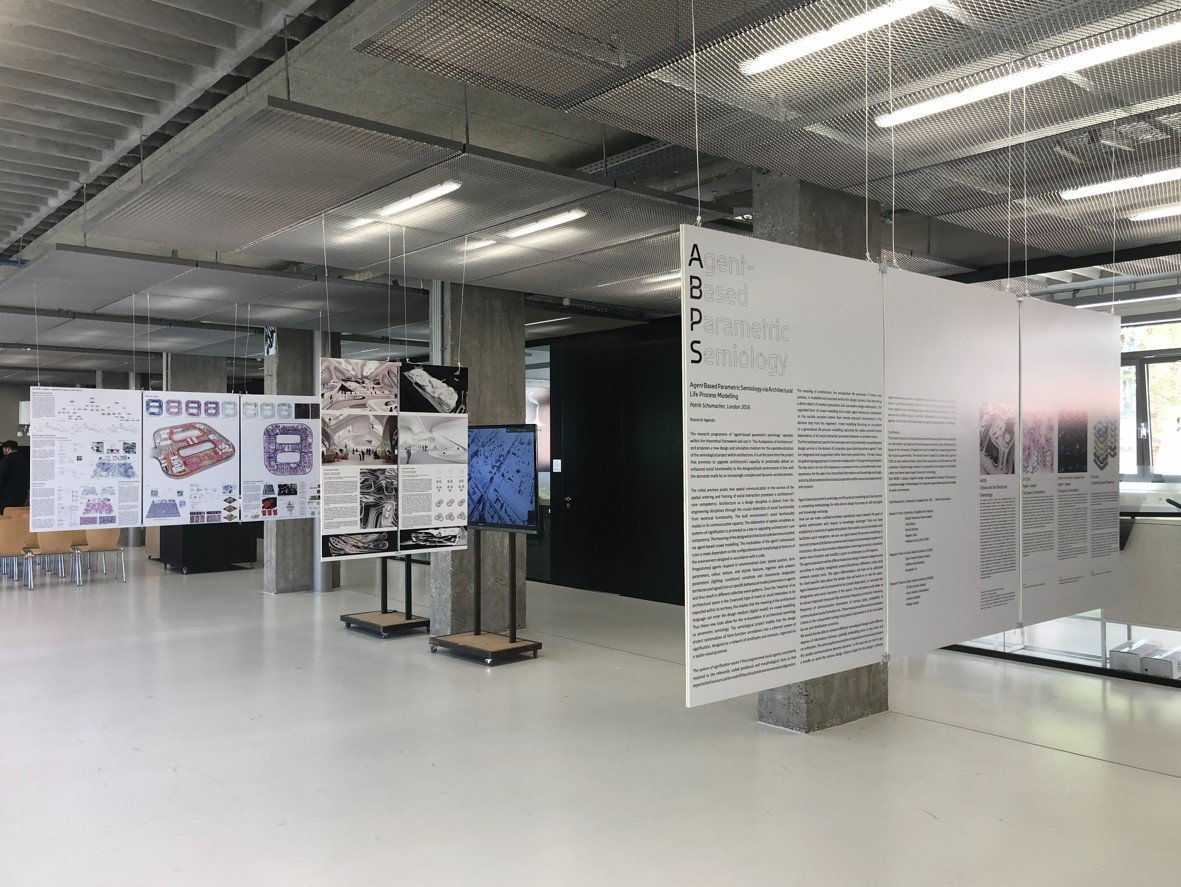
ABPS Research Symposium, Vienna, 2019
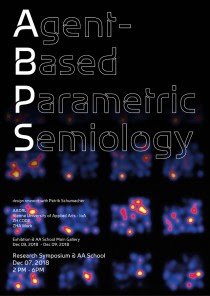
ABPS Symposium, AA School, London, 2018
Fluid Design Workshop 2, PESIT University, Bangalore, 2017
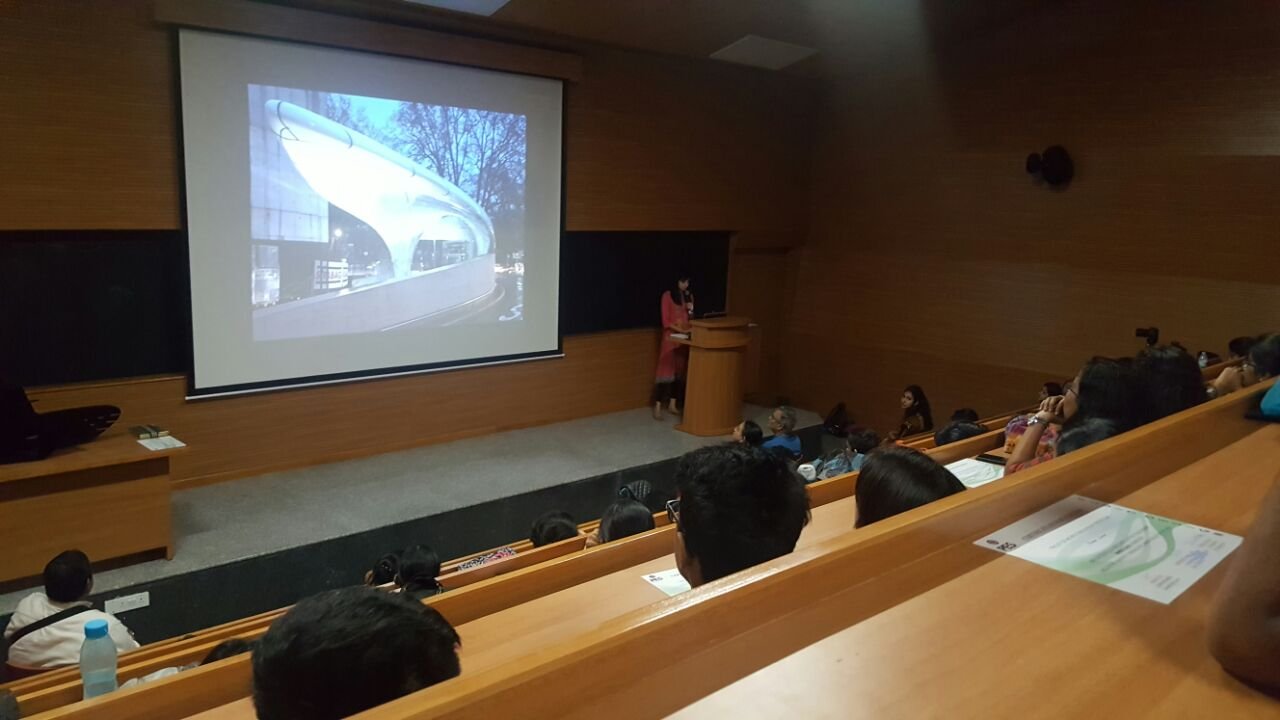
Fluid Design Workshop 1, PESIT University, Bangalore, 2016
VISION
Intelligence for Design Performance
Sobitha's practice treats artificial intelligence not as an auxiliary instrument, but as a core medium. This fundamental shift redefines what is possible — in form, process, and meaning.

Enquiries
General
info@sobitharavichandran.comPress & Media
media@sobitharavichandran.com